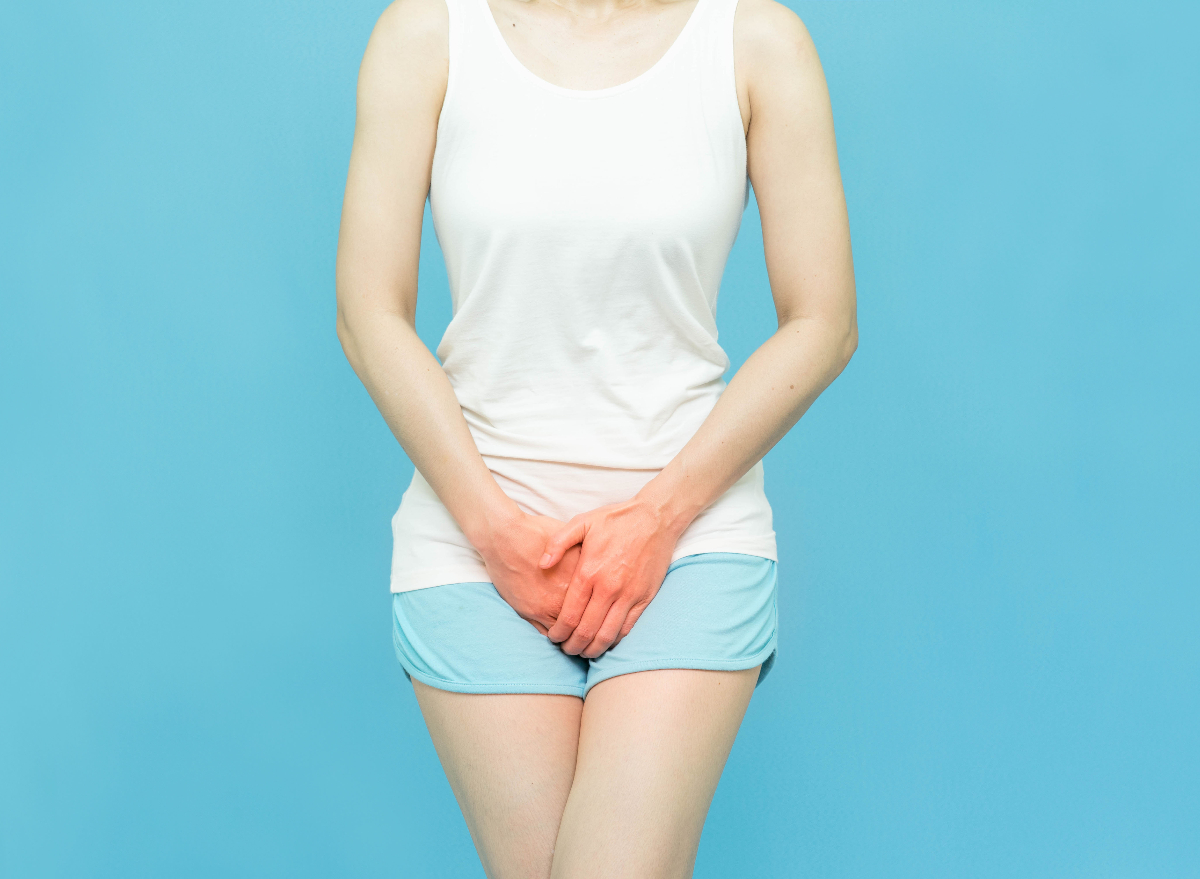
Hormonal Changes And Urological Health And Wellness
How Estrogen Loss Effects Urinary System Feature Wwmg Blog Site
We'll be carrying out routine upkeep on Saturday, August 3rd. Our phone system will certainly be unavailable during this time around, yet you'll be able to talk with our online representatives 24/7 or you can email Assistance. Please call 911 or go to the nearest emergency room if you are experiencing a medical emergency situation. Visit this site for more about our Trusted Partners, including special deals on services and products. In middle age, the majority of vagina-owners begin to see some changes ... It's tough to obtain a read on our menstrual cycle.Menopause is not the only consideration when seeking a root cause of urinary incontinence. Let's be clear, it is not an inescapable component of aging and should not be thought about normal or just approved. If your pelvic floor isn't working together, you're likely experiencing any number of uncomfortable or awkward signs and symptoms. When you start taking a GLP-1 drug like Ozempic, it's typical to feel most excited regarding outcomes like better blood sugar level control and reaching your fat burning objectives.
Contrary to common belief, urine is not sterile, however instead has its own microbiome of healthy and balanced and undesirable microorganisms. When pee is left over in the bladder, useful microorganisms have more time to increase and trigger a UTI. The "excellent" germs (Lactobacillus) that normally exist around your vagina prey on glycogen discovered in vaginal mucus. The even more glycogen available, the a lot more the Lactobacilli consume, the more they increase and give off lactic acid, which has an antimicrobial effect on "negative," pathogenic microorganisms. Estrogen is likewise in charge of enhanced blood circulation to your pelvic area, which aids general urinary system and genital functions. Your medical professional may want to perform some tests to determine the health and wellness of your bladder and pelvic flooring.A lady's urological health is deeply attached to her hormonal cycles, particularly during pregnancy, perimenopause, and menopause. While pregnant, increasing progesterone degrees create the pelvic tendons and muscles to kick back. When you combine this loosened up pelvic flooring with an expanding infant hing on the urinary system tract, this mix of shifting hormones and bladder pressure considerably enhances the frequency of leakages and urges.
Sometimes, a pee evaluation or biopsy is needed to rule out infections or other causes. Adrenal hormonal agents, such as cortisol and adrenaline, respond to tension and influence urinary feature by impacting nerve signals to the bladder. Identifying the link in between hormonal adjustments and urological health enables far better avoidance and management of associated problems. Insight into hormonal effects offers a clearer path to preserving general urinary health throughout life. Obtain professional care for urinary system incontinence and pelvic flooring problems.
Estrogen plays a critical function in keeping the health of your urinary system tract. Minimized estrogen levels throughout menopause can lead to thinning of the vaginal walls and weakening of the pelvic floor muscle mass, both of which support your bladder and urethra. The pelvic floor muscles aid support the bladder, uterus, and bowel while likewise aiding control urine circulation. Hormonal modifications can weaken these muscular tissues and degeneration connective tissues that support them gradually. When the pelvic floor comes to be weak, the bladder and urethra might not get enough support, raising the chance of stress and anxiety urinary system incontinence. Pelvic flooring physical treatment is a specialized therapy that re-trains the pelvic flooring muscular tissues (that aid manage your Visit this site bladder) to work appropriately.
- Therapy for genital atrophy concentrates on increasing your estrogen levels.
- Numerous researches report that UI frequency enhances with age, particularly in the postmenopausal duration.
- Magnesium and bladder control are commonly connected due to magnesium's duty in muscular tissue function.
- Pelvic floor workouts, such as Kegels, will certainly enhance your pelvic floor muscles and deal with symptoms of UI.
- If your signs recommend a nerve component or pelvic pain, consider an examination at Back Diagnostics.
- Scientists believe having reduced degrees of the hormonal agent estrogen after menopause might damage the urethra.8 The urethra helps maintain pee in the bladder up until you prepare to urinate.
Table 1 Sociodemographic Parameters Of The Included Study
Additionally, like all muscles, the bladder and urethra muscle mass lose a few of their stamina as you get older. This suggests you might not be able to hold as much pee as you age. An anal prolapse takes place when component of your anus unclothes location and may even drop out of your rectum. While this condition is uncommon, influencing only about 0.5% of people, women over the age of 50, specifically those who have actually had numerous pregnancies, are most likely to ... In perimenopause, the ovaries progressively stop operating and our estrogen levels begin to nose-dive to prepare for the end of our reproductive years.Accessibility Glp-1 Weight Loss With Noom